PEPTIDE NOVA

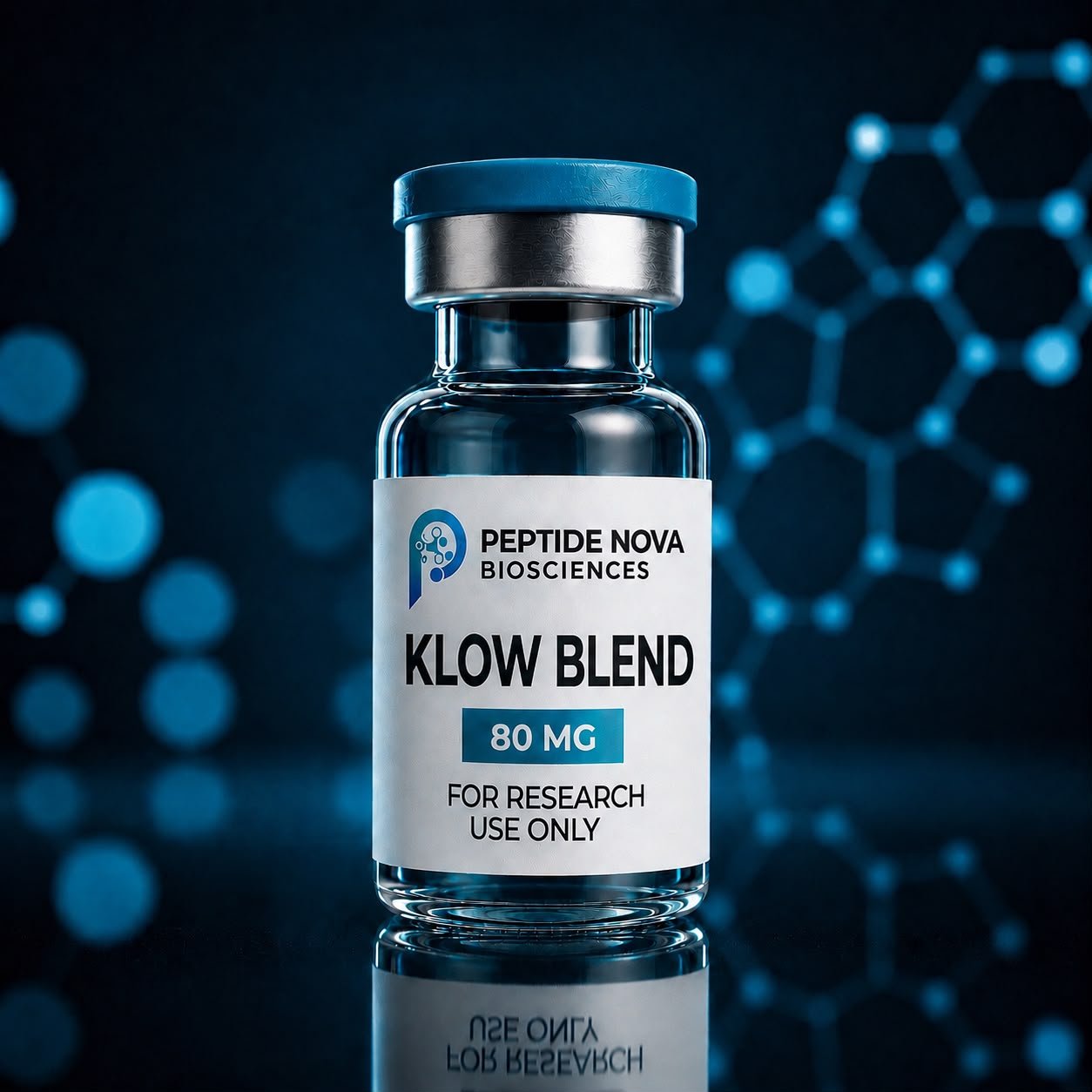
KLOW Blend 80MG (BPC-157/TB-500/GHK-CU/KPV)

Original price was: $169.99.Current price is: $139.99.

Sale!

Description

Product Overview

KLOW Blend is a synthetic peptide research formulation composed of multiple peptides commonly referenced in scientific literature investigating cell signaling research, molecular regulatory pathways, and peptide-mediated communication systems. This laboratory peptide compound blend combines several peptides studied in preclinical peptide studies and laboratory peptide characterization environments.

Within controlled research settings, KLOW Blend is utilized to investigate peptide signaling pathways, receptor-mediated interactions, and molecular regulatory mechanisms. Researchers examine the peptide molecular structures and sequences of the combined peptides to analyze signaling behavior and molecular interactions within experimental biological systems.

KLOW Blend is a synthetic peptide research combination consisting of four peptides referenced in peptide research literature:

  • BPC-157 – a synthetic peptide derived from a gastric protein fragment sequence studied in cellular signaling research

  • TB-500 – a synthetic peptide version of a fragment of Thymosin Beta-4, studied in molecular signaling pathway research

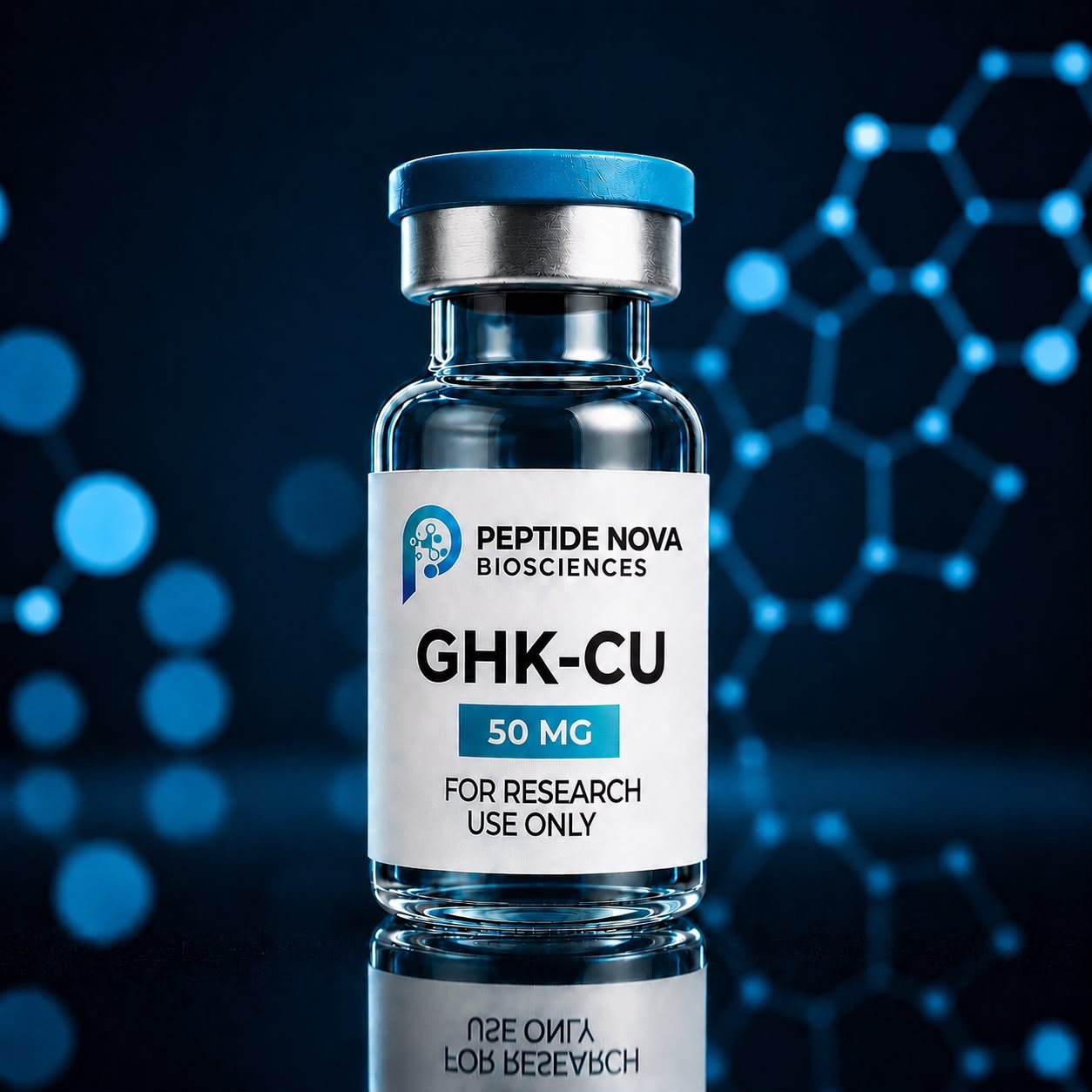
  • GHK-Cu – a copper-binding tripeptide complex investigated in peptide-metal interaction studies

  • KPV – a short synthetic peptide fragment derived from α-melanocyte stimulating hormone (α-MSH) studied in inflammatory pathway signaling research

This formulation is classified as a synthetic peptide compound blend used in laboratory research examining peptide signaling pathways, receptor binding interactions, and intracellular molecular communication networks.

Scientific literature referencing the peptides contained in this blend commonly explores research topics such as:

  • peptide signaling pathways

  • cell signaling research

  • receptor binding interactions

  • inflammatory pathway research

  • metabolic pathway research

  • molecular signaling mechanisms

  • peptide stability and structural activity

  • metal-peptide interaction studies

  • laboratory peptide characterization

These research areas are examined in controlled laboratory and preclinical peptide research environments.

Compound Name: KLOW Peptide Blend
Peptide Classification: Synthetic peptide compound blend

Component Peptides

BPC-157
Molecular Formula: C62H98N16O22
Molecular Weight: ~1419.6 g/mol
Amino Acid Sequence: Gly-Glu-Pro-Pro-Pro-Gly-Lys-Pro-Ala-Asp-Asp-Ala-Gly-Leu-Val
CAS Number: 137525-51-0

TB-500 (Thymosin Beta-4 Fragment)
Peptide Classification: Synthetic thymosin peptide fragment
Approximate Molecular Weight: ~4963 g/mol (Thymosin Beta-4 reference structure)
CAS Number: Referenced in peptide research literature

GHK-Cu (Copper Tripeptide-1)
Molecular Formula: C14H24N6O4Cu
Molecular Weight: ~401.9 g/mol
Amino Acid Sequence: Gly-His-Lys (GHK) bound to Cu²⁺
CAS Number: 89030-95-5

KPV
Molecular Formula: C16H27N5O6
Molecular Weight: ~385.4 g/mol
Amino Acid Sequence: Lys-Pro-Val
CAS Number: Referenced in peptide research literature

Scientific literature has explored the peptides contained in this blend in experimental and preclinical research models investigating peptide signaling pathways, molecular regulatory systems, and intracellular communication mechanisms. These investigations focus on how peptides interact with complex signaling networks in controlled laboratory environments.

In experimental research models, these peptides have been examined in studies related to cellular signaling processes, inflammatory pathway activity, extracellular matrix signaling systems, and molecular regulatory networks. Some investigations explore these pathways in research models associated with tissue biology, inflammatory responses, and cellular stress signaling systems.

These studies contribute to broader scientific understanding of peptide signaling pathways, molecular regulatory systems, and peptide-mediated cellular communication mechanisms.

Compound Name: KLOW Peptide Blend (BPC-157 / TB-500 / GHK-Cu / KPV)
Peptide Classification: Synthetic peptide signaling compound blend
Format: Lyophilized Powder
Quantity: 80MG
Research Category: Peptide research / cell signaling research / molecular pathway research
Storage Recommendations: Store under refrigerated laboratory conditions in a cool, dry environment protected from light and moisture. Maintain controlled cold-storage conditions for long-term laboratory stability.

Research Use Only. Not for human or veterinary use. Not approved by the FDA and not intended to diagnose, treat, cure, or prevent any disease.

Links To Research Studies

Read about patented applications of Lys-Pro-Val (KPV) peptides for anti-inflammatory and wound healing purposes (FreePatentsOnline, US6894028B2)

Explore the WIPO patent on using the Lys-Pro-Val (KPV) tripeptide for cosmetic and therapeutic applications, including wound and scar treatment

Examine the immunoregulatory effects of neuropeptides, including KPV, on keratinocytes in skin inflammation (Karger, Dermatology, 2017)

Discover how topical neuropeptide therapies, such as KPV, are advancing the treatment of skin barrier disorders (Wiley, Exp Dermatol, 2020)

Review evidence supporting the anti-inflammatory efficacy of KPV peptides in models of colitis and intestinal inflammation (PubMed 28092306)

Read a press release about promising preclinical results for KPV-based therapies in chronic inflammatory bowel disease

Assess the therapeutic potential of the alpha-MSH/KPV pathway for the treatment of inflammatory and autoimmune diseases (PubMed 10670585)

Explore mechanistic data on KPV peptide’s anti-inflammatory action in bowel disease models (American Journal of Pathology, 2012)

Read an Oxford Academic study analyzing how melanocortin peptides like KPV suppress intestinal inflammation (IBD Journal, 2008)

Explore an Endocrine Reviews article detailing melanocortin mechanisms and their effects on inflammation and immune regulation

See a technical brief on KPV derivatives for anti-inflammatory and colorectal cancer therapeutic potential (TechLink Center)

Learn how clinicians are using KPV peptide therapy to promote healing and reduce inflammation in functional medicine practices

BPC-157:

BPC-157 upregulates growth hormone receptor expression, enhancing tendon fibroblast proliferation and wound healing mechanisms

BPC-157 rescues NSAID-induced cytotoxicity through stabilizing intestinal permeability and boosting cytoprotection in GI tissues

BPC-157 therapy accelerates healing of gastrointestinal fistulas and wounded tissue, supporting mucosal integrity and anastomosis repair

BPC-157 prevents hemorrhage and multiorgan injury by protecting GI tract and organs from damage in experimental models

BPC-157 modulates neurotransmitter signaling, supporting central nervous system recovery and neuroprotection

BPC-157 improves healing after major vessel occlusion by enhancing collateral circulation and reducing tissue injury

TB-500:

TB‑500 (Thymosin Beta‑4) Immune and Regenerative Peptide Therapy: Enhances Tissue Repair, Reduces Systemic Inflammation, and Promotes Cellular Healing (PMC)

TB‑500 (Thymosin Beta‑4) Research Study: Reverses Immune Exhaustion and Increases IL‑2 and IFN‑γ Secretion for Stronger Anti‑Inflammatory Response (PMC)

TB‑500 Regeneration and Recovery Study: Supports Lymphocyte Proliferation and Accelerates Recovery After Injury or Infection (PubMed)

TB‑500 in Cancer Rehabilitation: Boosts Immune Recovery and Enhances Cellular Repair in Patients Undergoing Chemotherapy (PubMed)

TB‑500 Clinical Review: A Peptide Therapeutic for Inflammation Control, Immune Regulation, and Enhanced Healing Response (Wiley Online Library)

TB‑500 and the Neuroendocrine‑Immune Axis: Regulates Cytokine Levels and Reduces Stress‑Induced Inflammation for Balanced Immunity (PubMed)

TB‑500 (Thymosin Beta‑4) in Regenerative and Anti‑Aging Medicine: Improves Thymic Output, Reduces Fibrosis, and Enhances Tissue Recovery (BioMed Central)

TB‑500 (Thymosin Beta‑4) Regenerative Medicine Research: Accelerates Wound Healing, Reduces Scarring, and Restores Organ and Muscle Function (PubMed)

GHK-Cu:

Read a comprehensive review on the regenerative and protective actions of GHK-Cu peptide, including gene modulation and clinical applications in wound healing, anti-aging, and tissue repair (PMC6073405)

Explore GHK-Cu–induced signaling pathways involved in collagen synthesis, tissue remodeling, and anti-inflammatory actions in human skin (PubMed 27489425)

Investigate clinical evidence supporting the use of copper peptides for skin health, hair growth, and anti-aging cosmeceutical applications (PubMed 23285694)

Discover the effects of GHK-Cu on promoting wound closure, angiogenesis, and fibroblast activity in preclinical models (PubMed 22666519)

Assess molecular research into antioxidant and anti-inflammatory mechanisms of GHK-Cu peptide in skin and tissue repair (PubMed 26236730)

Review new findings on GHK-mediated genetic reprogramming for rejuvenation of the skin and reversal of aging biomarkers (PubMed 25731775)

Read a recent clinical update on copper peptide-based therapies for chronic wounds, dermatologic conditions, and systemic regenerative medicine (PubMed 40716276)

AS SEEN ON

Infinite Logo Marquee
logo1 logo2 logo3 logo4 logo1-duplicate logo2-duplicate logo3-duplicate logo4-duplicate

Legal Disclaimer

For research purposes only. Not for consumption, clinical use, or diagnostic purposes. Buyer assumes all responsibility for proper handling and use in compliance with applicable regulations.

Satisfaction Guaranteed

30-Day Replacement Policy

Customer Service

Chat, Phone & E-Mail

Fast Shipping

Priority Shipping

Quality Tested

Third-Party Tested

You May Also Like